

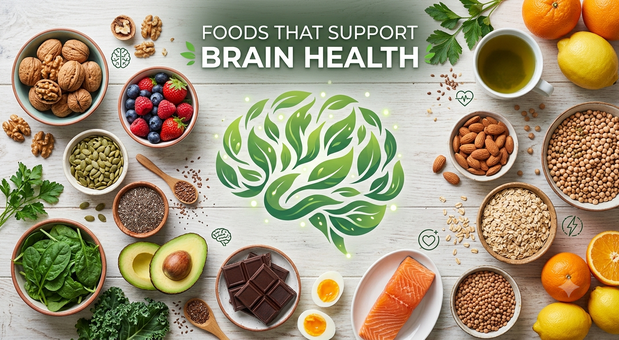
Your brain needs a steady supply of nutrients to support memory, concentration, learning, mood, and overall cognitive function. While no single food can boost brain power overnight, a balanced diet that regularly includes nutrient-rich foods can help support long-term brain health.
Here are some of the best foods to include in your everyday diet.
1. Walnuts
Walnuts are among the most popular nuts for brain health. They contain plant-based omega-3 fatty acids, antioxidants, vitamin E, and other beneficial compounds.
Adding a small handful of walnuts to your breakfast, smoothies, salads, or snacks can be an easy way to include healthy fats in your diet.
2. Almonds
Almonds provide vitamin E, healthy fats, protein, magnesium, and antioxidants. Vitamin E helps protect cells from oxidative stress, making almonds a useful addition to a balanced diet.
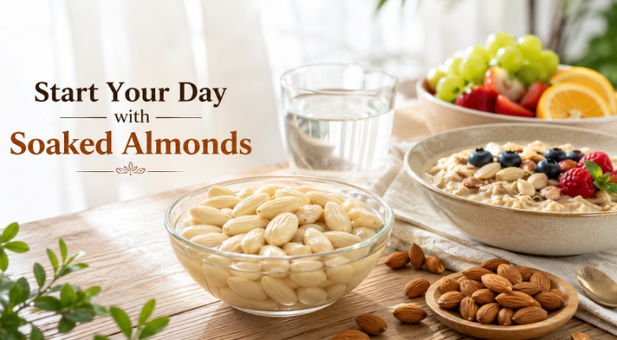
Try adding soaked or plain almonds to breakfast, oatmeal, yoghurt, or a homemade trail mix.
3. Pumpkin Seeds
Pumpkin seeds are rich in magnesium, zinc, iron, healthy fats, and antioxidants. These nutrients play several roles in normal brain and nervous-system function.
They can be eaten on their own or sprinkled over salads, soups, oats, and yoghurt.
4. Flaxseeds and Chia Seeds
Flaxseeds and chia seeds are good plant sources of omega-3 fatty acids, particularly alpha-linolenic acid (ALA). They also provide fibre and other beneficial plant compounds.
Ground flaxseeds can be added to smoothies, porridge, or homemade energy bites, while chia seeds work well in puddings and yoghurt.
5. Fatty Fish
Fish such as salmon, sardines, mackerel, and trout provide omega-3 fatty acids, including DHA and EPA. DHA is an important structural component of the brain.
For people who eat fish, including fatty fish as part of a balanced diet can be a valuable source of omega-3 fats.
6. Eggs
Eggs provide several nutrients associated with brain function, including choline, vitamin B12, selenium, and protein.
Choline is particularly important because the body uses it to produce acetylcholine, a neurotransmitter involved in memory and other brain functions.
7. Berries
Strawberries, blueberries, blackberries, and other berries contain antioxidants and plant compounds called flavonoids.
Fresh or frozen berries can be added to breakfast bowls, smoothies, yoghurt, or eaten as a simple snack.
8. Dark Green Leafy Vegetables
Spinach, kale, amaranth leaves, and other leafy greens provide folate, vitamin K, carotenoids, and other nutrients.
Including different leafy vegetables regularly can contribute to an overall nutrient-rich diet that supports healthy ageing.
9. Avocado
Avocados provide monounsaturated fats, fibre, folate, potassium, and other nutrients. Their healthy fat content makes them a convenient addition to meals.
Use avocado in salads, sandwiches, toast, or smoothies.
10. Dark Chocolate
Dark chocolate with a high cocoa content contains flavonoids and other plant compounds. It can be included occasionally as part of a balanced diet.
Choose varieties with higher cocoa content and keep portions moderate, as chocolate can also contain added sugar and calories.
11. Whole Grains
Oats, brown rice, quinoa, whole-wheat products, and other whole grains provide complex carbohydrates, fibre, vitamins, and minerals.
Because the brain relies heavily on glucose for energy, choosing nutrient-rich carbohydrate sources can help provide a steady supply of energy as part of balanced meals.
12. Beans and Lentils
Beans, chickpeas, lentils, and other legumes provide plant-based protein, fibre, folate, iron, magnesium, and other nutrients.
They are versatile foods that can be included in dals, soups, salads, curries, and grain bowls.
13. Citrus Fruits
Oranges, lemons, sweet lime, grapefruit, and other citrus fruits are good sources of vitamin C and various plant compounds.
Vitamin C contributes to antioxidant protection and normal nervous-system function.
14. Green Tea
Green tea contains polyphenols and naturally occurring compounds such as catechins. It also contains caffeine, which can temporarily improve alertness in some people.
If you are sensitive to caffeine, it is best to consume it in moderation.
Simple Brain-Friendly Food Combinations
You don’t need complicated recipes to include these foods in your diet. Try combinations such as:
- Oatmeal + walnuts + berries
- Yoghurt + chia seeds + fruit
- Whole-grain toast + avocado + egg
- Dal + brown rice + leafy vegetables
- Smoothie + berries + ground flaxseed
- Trail mix + almonds + pumpkin seeds
- Salad + chickpeas + avocado
Final Thoughts
Brain health is influenced by your overall eating pattern rather than one particular food. A varied diet containing nuts, seeds, fruits, vegetables, whole grains, legumes, eggs, and healthy sources of fat can provide many of the nutrients your brain needs.
Along with nutrition, regular physical activity, adequate sleep, hydration, stress management, and staying mentally active are also important parts of a healthy lifestyle.
The goal isn’t to find one “superfood” for the brain. Instead, focus on building balanced meals and including a variety of nutrient-rich foods regularly.
FAQs
Which food is best for brain health?
There is no single best food for brain health. Foods such as walnuts, fatty fish, eggs, berries, leafy greens, seeds, legumes, and whole grains provide different nutrients that can support normal brain function.
Are walnuts good for the brain?
Yes. Walnuts provide omega-3 ALA, vitamin E, antioxidants, and healthy fats, making them a nutritious addition to a balanced diet.
Which nuts are good for brain health?
Walnuts and almonds are particularly nutrient-rich choices. Cashews, pistachios, and other nuts can also be part of a healthy diet.
Are seeds good for brain health?
Yes. Flaxseeds, chia seeds, pumpkin seeds, and sunflower seeds provide healthy fats, minerals, fibre, and other beneficial nutrients.
What should I eat for better concentration?
A balanced meal containing protein, whole grains or other complex carbohydrates, healthy fats, fruits or vegetables, and adequate fluids can help support steady energy and normal cognitive function.
Is dark chocolate good for the brain?
Dark chocolate containing a higher percentage of cocoa provides flavonoids and other plant compounds. It can be enjoyed in moderation as part of a balanced diet.
Can food improve memory?
A nutritious diet supports overall brain health, but no individual food can guarantee improved memory. Long-term eating patterns, sleep, physical activity, and other lifestyle factors all contribute to cognitive health.
How many nuts should I eat in a day?
A small handful of unsalted nuts is a practical portion for many adults. The exact amount depends on your overall diet, calorie needs, and health goals.
What is the best breakfast for brain health?
A balanced breakfast could include oats with walnuts and berries, eggs with whole-grain toast and vegetables, or yoghurt with chia seeds, fruit, and nuts.
Are eggs good for brain health?
Eggs provide choline, vitamin B12, selenium, protein, and other nutrients. Choline is especially important for normal brain and nervous-system function.