


Introduction
We’ve all been there. You’re trying to eat healthier, but suddenly the craving for chips, cookies, burgers, or sugary treats becomes impossible to ignore. While occasional indulgence is perfectly fine, frequent junk food cravings can make it harder to maintain a balanced diet and healthy lifestyle. The good news? You don’t have to rely on strict diets or willpower alone. Understanding why cravings happen and using natural strategies can help you manage them effectively.
Here are 10 smart ways to beat junk food cravings naturally.
1. Stay Hydrated
Many people mistake thirst for hunger. When dehydration occurs, your body may signal cravings even when you don’t need food. Tip: Drink a glass of water and wait 15–20 minutes before reaching for a snack. You may find the craving disappears.
2. Eat More Protein
Protein helps keep you full longer and reduces hunger hormones that trigger cravings. Good protein sources include:
- Nuts and seeds
- Lentils and beans
- Greek yogurt
- Eggs
- Lean meats
Adding protein to every meal can significantly reduce the urge to snack on unhealthy foods.
3. Never Skip Breakfast
Skipping breakfast can lead to energy crashes and intense cravings later in the day. Choose a balanced breakfast with:
- Whole grains
- Protein
- Healthy fats
- Fruits
A nutritious start helps stabilize blood sugar levels and keeps cravings under control.
4. Get Enough Sleep
Lack of sleep increases hunger hormones and decreases hormones that help you feel satisfied. Studies show that sleep-deprived individuals often crave:
- Sugary foods
- Salty snacks
- High-calorie fast food
Aim for 7–9 hours of quality sleep each night.
5. Choose Healthy Alternatives
Instead of fighting cravings, satisfy them with healthier options.
| Craving | Healthy Alternative |
| Chips | Roasted nuts or roasted chickpeas |
| Ice Cream | Frozen yogurt or fruit smoothie |
| Candy | Fresh fruits or dates |
| Soda | Sparkling water with lemon |
| Cookies | Oatmeal energy bites |
Small substitutions can make a big difference.
6. Manage Stress Naturally
Stress often triggers emotional eating and junk food cravings. Try:
- Meditation
- Deep breathing exercises
- Walking outdoors
- Yoga
- Listening to music
Reducing stress helps reduce unnecessary snacking.
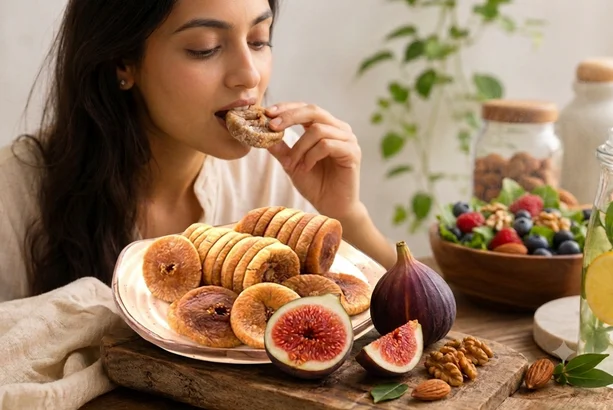
7. Keep Healthy Snacks Nearby
When hunger strikes, convenience matters. Stock up on:
Having nutritious snacks available reduces the temptation to order unhealthy food.
8. Avoid Keeping Junk Food at Home
One of the easiest ways to reduce consumption is to make unhealthy foods less accessible. If chips, candies, and sugary drinks aren’t readily available, you’re less likely to consume them impulsively.
9. Practice Mindful Eating
Many cravings occur because we eat while distracted. Before eating:
- Slow down
- Chew thoroughly
- Enjoy flavors and textures
- Avoid screens during meals
Mindful eating helps you recognize true hunger and fullness signals.
10. Include Healthy Fats in Your Diet
Healthy fats promote satiety and reduce cravings. Excellent sources include:
- Almonds
- Cashews
- Walnuts
- Avocados
- Olive oil
- Flaxseeds
A balanced intake of healthy fats can keep you satisfied for longer periods.
Final Thoughts
Junk food cravings are normal, but they don’t have to control your eating habits. Staying hydrated, getting enough sleep, eating balanced meals, and keeping healthy snacks on hand can significantly reduce unhealthy cravings. Remember, the goal isn’t perfection—it’s making smarter choices more often. Small, consistent changes can lead to lasting improvements in your health and well-being.
Frequently Asked Questions (FAQs)
1. Why do I crave junk food even after eating?
This can happen due to dehydration, lack of sleep, stress, emotional triggers, or meals that lack protein and fiber.
2. Which foods help reduce cravings naturally?
Protein-rich foods, nuts, fruits, vegetables, whole grains, and healthy fats are effective at reducing cravings.
3. Are junk food cravings a sign of nutrient deficiency?
Sometimes. Cravings may indicate low intake of certain nutrients, but they are more commonly linked to habits, emotions, or blood sugar fluctuations.
4. Can drinking water really stop cravings?
Yes. Mild dehydration can mimic hunger signals. Drinking water first may help reduce unnecessary snacking.
5. How long do food cravings usually last?
Most cravings peak within 10–20 minutes and then gradually fade if not acted upon.
6. Do nuts help control cravings?
Absolutely. Nuts like almonds, cashews, and walnuts provide protein, fiber, and healthy fats that help keep you full and satisfied.
7. Does lack of sleep increase junk food cravings?
Yes. Poor sleep affects hunger-regulating hormones, often increasing cravings for sugary and high-calorie foods.
8. What is mindful eating?
Mindful eating involves paying full attention to your food, eating slowly, and recognizing hunger and fullness cues.
9. Can stress cause cravings?
Yes. Stress often leads to emotional eating and increased desire for comfort foods high in sugar, salt, and fat.
10. Is it okay to eat junk food occasionally?
Yes. Occasional treats can be part of a balanced lifestyle. The key is moderation and consistency with healthy habits.