

A healthy immune system plays an important role in protecting the body and supporting overall well-being. While no single food can prevent illness, a balanced diet rich in vitamins, minerals, healthy fats, protein and antioxidants can help support normal immune function.
Among the easiest foods to include in your everyday diet are dry fruits, nuts and seeds. Almonds, walnuts, cashews, pistachios, raisins, pumpkin seeds, sunflower seeds and chia seeds provide a combination of nutrients that can complement a healthy lifestyle.
The key is not to eat large quantities. A small, varied portion every day can be a simple way to add nutrition to your meals.
How Do Nuts and Seeds Support Immunity?
The immune system requires a variety of nutrients to function normally. Nuts and seeds can contribute several of these nutrients, including vitamin E, zinc, magnesium, selenium, copper, healthy fats and plant-based protein.
They also contain antioxidants and other plant compounds that help protect cells from oxidative stress.
Here are some nutritious options to include in your diet.
1. Almonds
Almonds are a popular source of vitamin E, an antioxidant that contributes to the normal functioning of the immune system.
They also provide magnesium, healthy fats, fibre and protein.
You can enjoy almonds as a snack, add chopped almonds to breakfast bowls or use them in homemade energy bites.
2. Walnuts
Walnuts are rich in healthy fats, including plant-based omega-3 fatty acid ALA.
They also contain protein, fibre, copper and other micronutrients.
A few walnuts can be added to oatmeal, smoothies, salads or eaten as a simple snack.
3. Cashews
Cashews provide copper, magnesium, zinc and healthy fats.
Copper and zinc are important micronutrients involved in normal immune function, while magnesium contributes to many processes throughout the body.
Cashews are also easy to incorporate into Indian meals, desserts and snacks.
4. Pistachios
Pistachios provide protein, fibre, healthy fats and several vitamins and minerals.
Their combination of nutrients makes them a convenient addition to a balanced diet.
Enjoy a small handful as a snack or add them to yoghurt, fruit bowls or homemade trail mixes.
5. Raisins
Raisins are naturally sweet dried grapes that provide carbohydrates, fibre and various plant compounds.
Because dried fruits are concentrated sources of natural sugars and calories, portion size matters.
Instead of eating a large quantity at once, add a small serving to breakfast, trail mixes or snacks.
6. Pumpkin Seeds
Pumpkin seeds are a useful source of zinc, magnesium, protein and healthy fats.
Zinc is an essential mineral that supports normal immune function.
Roasted pumpkin seeds can be sprinkled over salads, soups, yoghurt or breakfast bowls.
7. Sunflower Seeds
Sunflower seeds contain vitamin E, magnesium, healthy fats and protein.
Vitamin E acts as an antioxidant and contributes to normal immune function.
They can be added to homemade granola, salads, smoothies or trail mixes.
8. Chia Seeds
Chia seeds provide fibre, plant-based omega-3 ALA, protein and minerals.
Their high fibre content can also help make meals more filling.
Add chia seeds to overnight oats, yoghurt, smoothies or homemade puddings.
9. Flaxseeds
Flaxseeds are another plant source of omega-3 ALA and provide fibre and other beneficial plant compounds.
Ground flaxseed is particularly easy to incorporate into everyday foods.
Try adding a spoonful to oats, smoothies or homemade atta mixes.
10. Brazil Nuts
Brazil nuts are particularly rich in selenium, a mineral that contributes to normal immune function.
However, they contain a very high amount of selenium compared with many other foods, so they should be consumed in small quantities rather than by the handful.
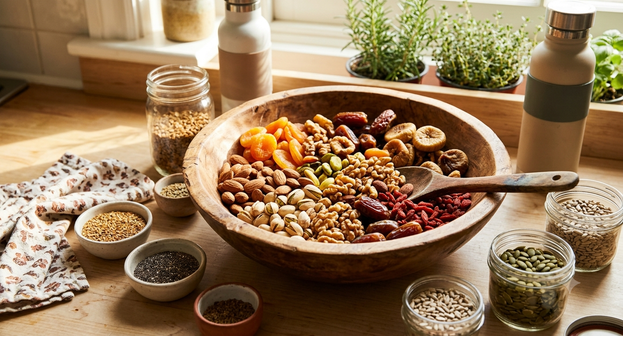
A Simple Immunity-Friendly Dry Fruit and Seed Mix
You don’t need a complicated recipe to add these foods to your diet.
Try creating a simple mix using:
- Almonds
- Walnuts
- Cashews
- Pistachios
- Pumpkin seeds
- Sunflower seeds
- A small amount of raisins
Keep the portions moderate and choose unsalted and minimally processed varieties whenever possible.
Best Time to Eat Nuts and Dry Fruits
There is no specific time of day when nuts or dry fruits suddenly become more beneficial.
They can be enjoyed:
With breakfast: Add them to oats, cereal, poha or yoghurt.
As a mid-morning snack: A small handful can be an easy alternative to highly processed snacks.
After work or school: Combine nuts and seeds with fresh fruit.
With meals: Sprinkle seeds over salads, soups or cooked dishes.
The most important factor is consistency and overall dietary balance.
Soaked Nuts vs Dry Nuts
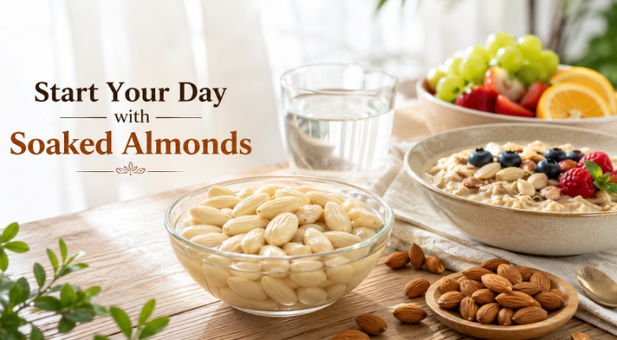
Some people prefer soaking almonds or other nuts before eating them. Soaking can soften the nuts and may make them easier for some people to eat, but it is not necessary to get the nutritional benefits of nuts.
Raw, dry-roasted and soaked nuts can all fit into a balanced diet, depending on personal preference.
If you choose roasted nuts, look for options without excessive salt, sugar or added oils.
How Much Should You Eat?
Nuts and seeds are nutrient-dense foods, which means they can also be high in calories.
A practical approach is to have a small handful of mixed nuts and seeds rather than eating large quantities.
For dried fruits such as raisins, dates or figs, keep portions smaller because drying concentrates their natural sugars and calories.
Your ideal portion can depend on your overall diet, energy needs and individual health requirements.
Tips for Choosing Healthy Dry Fruits, Nuts and Seeds
When shopping, keep these points in mind:
- Choose fresh nuts with a pleasant natural aroma.
- Prefer unsalted varieties for everyday consumption.
- Avoid products with excessive added sugar.
- Check packaging and expiry dates.
- Store nuts properly to maintain freshness.
- Choose a variety instead of relying on one type.
- Keep portions moderate.
- Combine nuts and seeds with a generally balanced diet.
Can Dry Fruits Alone Boost Immunity?
No single food can “boost” immunity overnight.
A healthy immune system depends on several factors, including adequate nutrition, sleep, physical activity, hydration and overall lifestyle.
Dry fruits, nuts and seeds can be part of an immunity-supportive diet, but they should complement—not replace—a varied diet containing vegetables, fruits, whole grains, pulses and adequate protein.
A Simple Daily Routine
Making nuts and seeds part of your routine doesn’t have to be complicated.
For example:
Morning: Almonds + walnuts with breakfast
Midday: Fresh fruit with a small portion of nuts
Evening: Pumpkin and sunflower seeds as a snack
Dinner: Ground flaxseed or other seeds added to a suitable meal
The goal is variety rather than consuming every type every day.
Final Thoughts
Supporting your immune system starts with everyday habits rather than a single “superfood.”
Dry fruits, nuts and seeds can make a nutritious addition to your diet by providing important nutrients such as vitamin E, zinc, selenium, magnesium, copper, healthy fats, fibre and protein.
From almonds and walnuts to cashews, pistachios, pumpkin seeds and chia seeds, there are plenty of options to choose from.
Enjoy them in sensible portions, choose minimally processed varieties and pair them with a balanced diet for a simple approach to everyday nutrition.
Frequently Asked Questions
1. Which dry fruits are good for supporting immunity?
Almonds, walnuts, cashews, pistachios and raisins can be included as part of a balanced diet. They provide different nutrients and plant compounds that contribute to overall nutrition.
2. Which nuts are rich in vitamin E?
Almonds are particularly well known for their vitamin E content. Sunflower seeds are also a good source of vitamin E.
3. Which nuts and seeds contain zinc?
Pumpkin seeds and cashews are useful sources of zinc. Zinc is an essential mineral that contributes to normal immune function.
4. Are walnuts good for immunity?
Walnuts provide healthy fats, including plant-based omega-3 ALA, along with fibre, protein and minerals. They can be part of a balanced diet that supports overall health.
5. Can I eat dry fruits every day?
Yes, most people can include dry fruits as part of a balanced diet. However, portions should be moderate because dried fruits are concentrated in natural sugars and calories.
6. How many nuts should I eat in a day?
A small handful of mixed nuts is a practical general serving for many people. Individual requirements vary depending on the rest of the diet and energy needs.
7. Are soaked almonds healthier than regular almonds?
Soaking almonds can change their texture and make them easier for some people to eat, but soaking is not essential for obtaining the nutritional benefits of almonds.
8. Which seeds are good to include in an immunity-friendly diet?
Pumpkin seeds, sunflower seeds, chia seeds and flaxseeds are nutritious options. Each provides a different combination of minerals, healthy fats, fibre and other nutrients.
9. Can children eat nuts and dry fruits?
Nuts and dry fruits can be nutritious foods for children when introduced appropriately. Whole nuts can pose a choking risk for young children, so age-appropriate forms and supervision are important.
10. Are roasted nuts healthy?
Dry-roasted nuts can be part of a healthy diet. Choose varieties with little or no added salt, sugar or unhealthy oils.
11. Can nuts replace fruits and vegetables?
No. Nuts and seeds provide important nutrients, but they do not replace the wide range of vitamins, minerals, fibre and plant compounds provided by fruits and vegetables.
12. What is the best immunity dry fruit mix?
There is no single best mix. A combination of almonds, walnuts, cashews, pistachios, pumpkin seeds and sunflower seeds can provide a variety of nutrients when eaten in moderate portions.
13. Can dry fruits prevent cold and flu?
No single food can guarantee prevention of infections. A nutritious diet can support normal immune function, but infection prevention also involves appropriate hygiene, vaccination where recommended, adequate sleep and other healthy habits.
14. How should I store nuts and seeds?
Store them in airtight containers in a cool, dry place. For longer storage, refrigeration can help maintain freshness, particularly for nuts and seeds that are rich in unsaturated fats.
15. Are nuts and seeds suitable for weight-conscious diets?
They can be included in a balanced diet because they provide protein, fibre and healthy fats. However, they are calorie-dense, so portion control is important.