

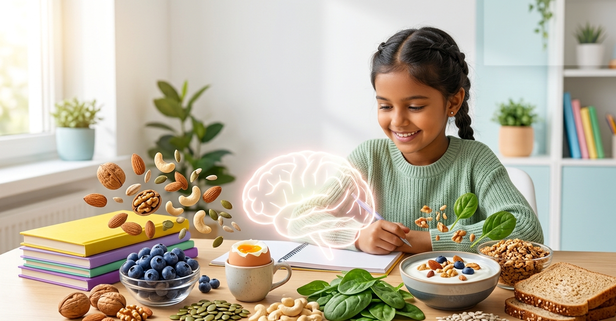
A child’s brain grows rapidly during the early years, making proper nutrition essential for learning, memory, and concentration. While balanced meals provide the foundation, including nutrient-rich foods in your child’s daily diet can support healthy brain development and sustained energy throughout the school day.
Why Brain Nutrition Matters
The brain requires healthy fats, protein, vitamins, and minerals to function efficiently. Nutrient-rich foods help support:
- Memory and learning
- Better concentration
- Healthy nervous system development
- Sustained energy levels
- Overall growth and wellness
Top Brain Foods for Kids
1. Almonds
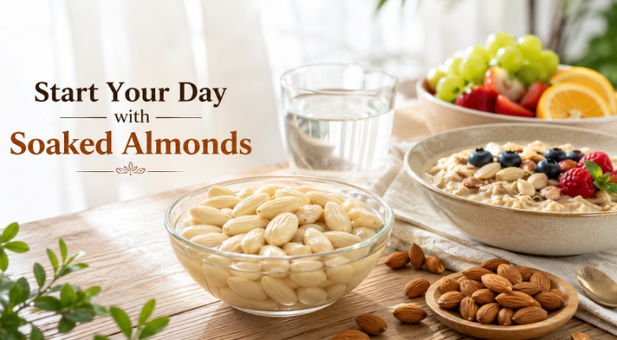
Almonds provide vitamin E, healthy fats, and protein that support brain health and overall nutrition.
2. Walnuts
Rich in omega-3 fatty acids, walnuts are often associated with supporting healthy brain function.
3. Cashews
Cashews contain magnesium, iron, zinc, and healthy fats that contribute to a balanced diet for growing children.
4. Pumpkin Seeds
Pumpkin seeds are naturally rich in zinc, magnesium, and antioxidants.
5. Eggs
Eggs provide high-quality protein and choline, an important nutrient involved in normal brain development.
6. Yogurt
Yogurt supplies protein and calcium while supporting digestive health.
7. Blueberries
Blueberries are packed with antioxidants that help protect the body’s cells.
8. Leafy Greens
Spinach and other greens provide vitamins, minerals, and fiber essential for growing children.
Easy Ways to Include Brain Foods
- Add chopped almonds to breakfast.
- Pack a handful of mixed nuts and seeds.
- Blend nuts into smoothies.
- Sprinkle seeds over yogurt.
- Make homemade trail mix.
- Include nuts in healthy lunch boxes.
Final Thoughts
Healthy eating habits developed early can benefit children for years to come. Including a variety of nutritious foods—including nuts, seeds, fruits, vegetables, dairy, and whole grains—helps create balanced meals that support active minds and growing bodies.
FAQs
1. Which nuts are good for children’s brain health?
Almonds, walnuts, and cashews can be part of a balanced diet because they provide healthy fats, protein, vitamins, and minerals.
2. Can kids eat nuts every day?
If there are no allergies and they are age-appropriate, nuts can be enjoyed in moderation as part of a healthy diet.
3. What are good lunch box brain foods?
Mixed nuts, seeds, yogurt, fruits, eggs, and whole-grain sandwiches are nutritious choices.
4. Are seeds healthy for children?
Yes. Pumpkin, sunflower, chia, and flax seeds provide beneficial nutrients when served appropriately.
5. Which fruit supports learning?
Fruits like blueberries, oranges, and bananas contribute vitamins and antioxidants as part of a healthy diet.