

In almost every Indian household, the moment someone turns 40 or receives an annual lipid profile report, a familiar warning echoes: “Stop eating Kaju! It’s full of fat, clogs your arteries, and shoots up your cholesterol!”
Because cashews have a luxurious, creamy, melt-in-the-mouth texture, people naturally assume they must be packed with harmful saturated fat—similar to butter, vanaspati, or heavy dairy cream. This persistent myth has caused millions of health-conscious adults to deprive themselves of one of nature’s most complete superfoods.
So, what is the medical truth? Do cashews actually increase your cholesterol, or have we been blaming the wrong food all along? Let’s look at what clinical cardiology research and lipid studies have to say.
The Medical Truth: Cashews Contain Exactly 0 mg of Cholesterol
Here is a fact that surprises most people: Cholesterol is only produced by the livers of animals and humans. It is physically impossible for any plant-based food—including cashews, almonds, and walnuts—to contain dietary cholesterol.
Every 100 grams of raw cashews contains zero milligrams of cholesterol. When doctors warn patients about high cholesterol, they are referring to how certain dietary fats cause your liver to produce Low-Density Lipoprotein (LDL), often known as “bad cholesterol.”
1. The Oleic Acid Secret: Why Cashews Mirror Extra Virgin Olive Oil
Over 75% of the fatty acids in cashews are Monounsaturated Fatty Acids (MUFAs)—specifically Oleic Acid. If that name sounds familiar, it’s because Oleic Acid is the primary active compound that makes extra virgin olive oil the cornerstone of the heart-protective Mediterranean diet.
- How It Protects the Heart: Numerous peer-reviewed clinical trials (including studies published in the American Journal of Clinical Nutrition) demonstrate that replacing refined carbohydrates with moderate cashew consumption actively reduces LDL (bad cholesterol) while preserving or increasing HDL (good cholesterol).
- The Stearic Acid Factor: Even the saturated fat found in cashews is primarily Stearic Acid. Unlike the saturated fats found in palm oil or deep-fried snacks, researchers have proven that stearic acid is neutral—the human body converts it directly into oleic acid, meaning it does not elevate blood lipid levels.
Featured Product: Sahyadri Nuts Signature Jumbo W180 Cashews (250g) — the “King of Cashews”, 100% natural, unroasted, zero added salt, and chemical-free.
2. Walnuts (Akhrot): The Ultimate Plaque Cleaners
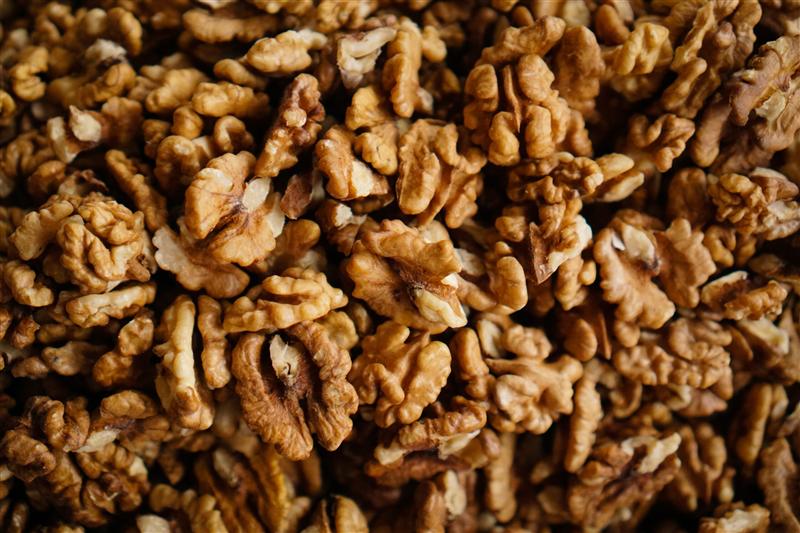
While cashews protect through monounsaturated fats, walnut kernels are the undisputed cardiology gold standard for fighting arterial inflammation.
- The Science: Walnuts are the only tree nut rich in Alpha-Linolenic Acid (ALA), an essential plant-based Omega-3 fatty acid. Clinical research shows ALA works like an internal brush for your cardiovascular system:
- It prevents blood platelets from clumping together, reducing the risk of dangerous clots.
- It enhances endothelial function (the flexibility of artery walls), helping keep resting blood pressure within healthy parameters.
- It significantly lowers triglycerides, which are often the true culprit behind fatty liver and heart strain in Indian diets.
Cardiologist Tip: Eat 3 to 4 raw walnut halves daily as a mid-morning snack. Avoid frying or heavily salting them to preserve their delicate polyunsaturated oils.
Featured Product: Sahyadri Nuts Raw Chilean Walnut Kernels (250g) — hand-picked brain halves, naturally buttery, vacuum-sealed to prevent rancidity and bitterness.
3. California Almonds: Lowering LDL with Phytosterols
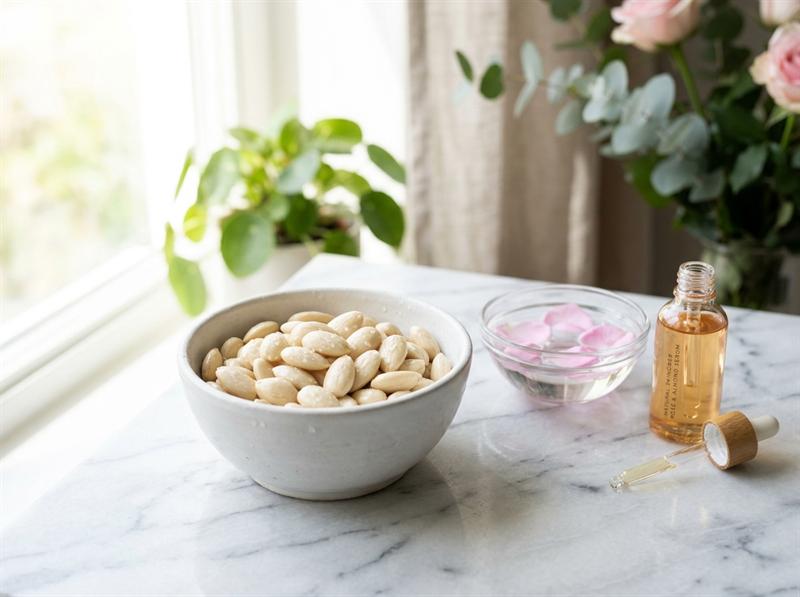
If your total cholesterol or LDL levels are currently borderline high, California almonds should be your daily morning ritual.
- The Science: Almonds are densely loaded with phytosterols—plant compounds that closely resemble cholesterol molecules in structure. When you consume almonds, these phytosterols compete with dietary cholesterol in your gut, blocking its absorption into the bloodstream.
- Vitamin E Protection: The rich concentration of alpha-tocopherol (natural Vitamin E) in almonds acts as a powerful shield that prevents LDL cholesterol from oxidizing. Oxidized LDL is what sticks to arterial walls and forms dangerous plaque; by stopping oxidation, almonds keep arteries smooth and supple.
Cardiologist Tip: Soak 6–8 almonds overnight, peel them in the morning, and enjoy them with a glass of warm water before breakfast.
Featured Product: Sahyadri Nuts Premium California Almonds (500g Value Pack) — premium grade, unpolished, packed with heart-protective fiber and Vitamin E.
The Real Culprit: Why Did Kaju Get a Bad Reputation?
If cashews are so heart-friendly, why do so many people believe they cause cholesterol spikes? The answer lies in how cashews are traditionally consumed in India:
| How People Eat Cashews | The Real Health Problem | The Healthy Way to Eat Cashews |
|---|---|---|
| Kaju Katli & Barfi | Loaded with 50% refined white sugar and silver foil | Raw Plain Cashews (W180 or W240) |
| Deep-Fried Salted Kaju | Fried in commercial palm oil or reused hydrogenated vanaspati | Slow Hot-Air Dry-Roasted Cashews |
| Heavy Restaurant Gravies | Cooked with heavy butter, cream, and excess sodium | Whole raw cashew nuts as a measured snack |
When you eat deep-fried cashews tossed in excess sodium, it’s the reused trans-fat frying oil and excess salt damaging your heart—not the cashew itself!
3 Golden Rules for Heart-Healthy Nut Consumption
- Watch the Preparation: Always choose raw whole nuts or oil-free dry-roasted nuts. Avoid deep-fried cocktail nuts coated in palm oil.
- Mind the Portion: Because nuts are calorie-dense, you don’t need to eat a bowlful. A measured daily handful (approx. 28–30 grams, or 12–15 cashews) gives you all the cardioprotective benefits without excess calories.
- Say No to Added Sugar: Enjoy whole cashews in their pure form rather than in heavy syrupy sweets.
Protect Your Heart with Nature’s Purest Harvest
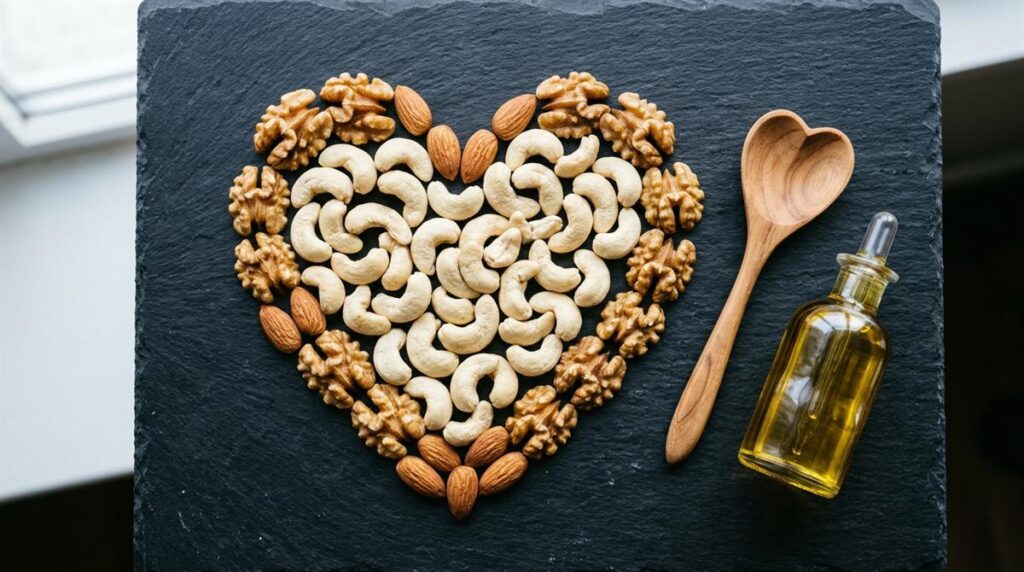
Healthy living isn’t about depriving yourself of delicious food—it’s about choosing pure, unadulterated ingredients. Cashews, almonds, and walnuts aren’t the enemy of your heart; when eaten in their natural, un-fried state, they are some of the most powerful cardiovascular protectors nature has to offer.
Explore Sahyadri Nuts’ harvest-fresh collection of Plain Jumbo W180 Cashews, Chilean Walnut Kernels, and California Almonds — vacuum-packed at source, unpolished, and delivered straight to your door across India.