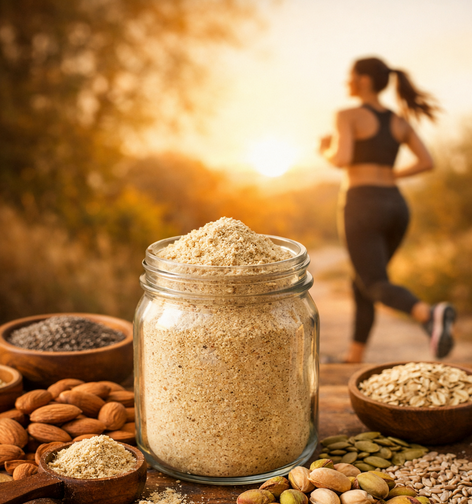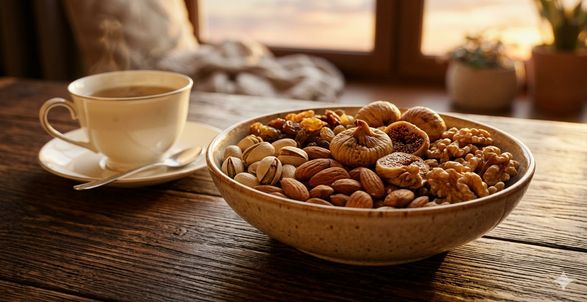



Children need the right nutrition not just for physical growth, but also for concentration, memory, learning, and overall brain development. In today’s fast-paced lifestyle, finding snacks that are both healthy and kid-friendly can be challenging. That’s where nuts become a powerful everyday superfood.
Packed with healthy fats, protein, vitamins, minerals, and antioxidants, nuts are one of the smartest snacks parents can include in their child’s daily routine.
Why Nuts Are Great for Brain Development
The brain needs a steady supply of nutrients to function well, especially during growing years. Nuts provide:
- Healthy fats that support brain cell development
- Protein for growth and energy
- Omega fatty acids that help memory and focus
- Magnesium and zinc for better cognitive function
- Vitamin E and antioxidants that protect brain health
Instead of processed snacks loaded with sugar and preservatives, a handful of dry fruits and nuts can provide long-lasting energy and nourishment.
Best Brain-Boosting Nuts for Kids
Almonds – The Memory Booster
Almonds are rich in Vitamin E, healthy fats, and protein. They are popularly known for supporting memory and concentration.
Best ways to include almonds:
- Soaked overnight almonds in the morning
- Almond milkshakes
- Chopped almonds in oats or cereal
- Dry roasted almonds as a snack
Walnuts – The Brain-Shaped Superfood
Walnuts are loaded with omega-3 fatty acids that help brain development and cognitive function.
Benefits for kids:
- Supports learning and focus
- Helps overall brain growth
- Provides healthy energy
Walnuts can be added to smoothies, desserts, or homemade trail mixes.
Cashews – Energy and Nutrient Rich
Cashews contain iron, magnesium, zinc, and healthy fats that support growing bodies and active minds.
Kids usually enjoy the naturally creamy taste of cashews, making them an easy healthy snack option.
Try these varieties:
- Lightly salted dry roasted cashews
- Curry leaf cashews
- Pepper-flavored cashews
- Classic roasted cashews
Pistachios – Tiny Nuts with Big Nutrition
Pistachios are rich in protein, fiber, and antioxidants. They help keep children full for longer while supporting energy levels throughout the day.Their naturally fun shell-opening experience also makes snack time enjoyable for kids.
Healthy Snacking Tips for Parents
- Replace chips and sugary snacks with mixed nuts
- Offer small portions suitable for your child’s age
- Combine nuts with fruits for balanced nutrition
- Choose dry roasted nuts over deep-fried snacks
- Look for clean ingredients and minimal preservatives
For younger children, crushed or powdered nuts may be easier and safer to consume.
Why Clean Ingredients Matter
Many packaged snacks contain artificial flavors, excess sugar, and preservatives. Choosing clean, naturally flavored nuts made with everyday kitchen ingredients can make snacking healthier and more wholesome.
Dry roasted nuts seasoned with ingredients like curry leaves, pepper, sea salt, and mild spices offer both taste and nutrition without unnecessary additives.
Final Thoughts
Healthy eating habits start young. Adding nutrient-rich nuts to your child’s daily diet is a simple step that can support brain development, energy, focus, and overall wellness.
Whether it’s almonds before school, walnuts in smoothies, or roasted cashews as an evening snack, smart snacking today can help build healthier minds for tomorrow.
FAQs
1. Which nuts are best for brain development in kids?
Almonds and walnuts are among the best nuts for brain health because they contain healthy fats, omega-3 fatty acids, and Vitamin E that support memory and concentration.
2. Can kids eat nuts every day?
Yes, most children can enjoy nuts daily in moderate portions as part of a balanced diet, unless they have nut allergies.
3. Are flavored nuts healthy for kids?
Naturally flavored, dry roasted nuts made with clean ingredients like sea salt, pepper, or curry leaves can be a healthier alternative to processed snacks.
4. What is the best time to give nuts to children?
Nuts can be given during breakfast, school snack breaks, or evening snack time for sustained energy.
5. How can parents include nuts in kids’ diets?
Parents can add nuts to smoothies, milkshakes, cereals, trail mixes, desserts, or serve them as roasted snacks.
6. Are roasted nuts better than fried snacks?
Yes, dry roasted nuts usually retain nutrients better and contain less unhealthy oil compared to deep-fried snacks.
7. Can nuts improve concentration in studies?
Nuts provide nutrients that support brain function and steady energy, which may help children stay focused and active during learning activities.