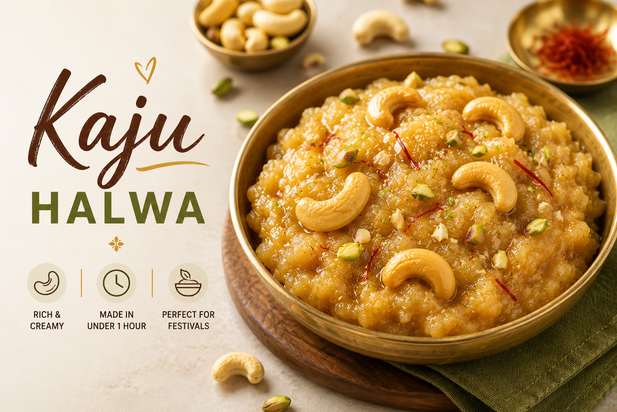


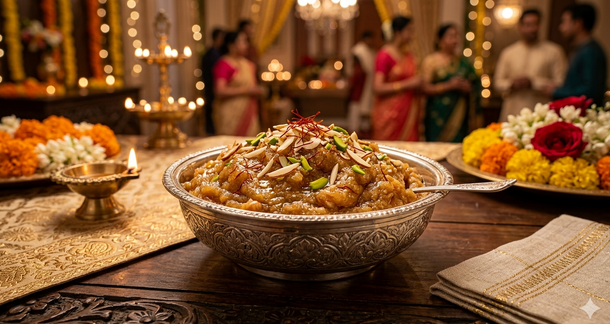
Few Indian desserts can match the richness, elegance, and royal appeal of Badam Halwa. Made with premium almonds, aromatic saffron, cardamom, sugar, and generous amounts of ghee, this luxurious sweet has graced festive tables, royal kitchens, and special celebrations for centuries.
Whether served warm during winter evenings, at weddings, or during festivals like Diwali and Navratri, Badam Halwa remains one of India’s most treasured desserts. Its smooth texture, nutty flavor, and melt-in-the-mouth consistency make it a favorite across generations.
The History of Badam Halwa
The word “Badam” means almond, while “Halwa” originates from the Arabic word hulw, meaning sweet. The concept of halwa traveled through Persia and the Middle East before becoming deeply integrated into Indian culinary traditions.
Badam Halwa gained popularity during the Mughal era when almonds, saffron, and ghee were considered symbols of wealth and luxury. Royal kitchens often prepared almond-based sweets for kings, nobles, and distinguished guests. Over time, the recipe spread across different regions of India, especially in South India, where it became a staple dessert for weddings, temple feasts, and festive celebrations.
Today, Badam Halwa is regarded as one of the most premium Indian sweets because of its rich ingredients and labor-intensive preparation.
Why Badam Halwa Is Considered Royal
- Made with expensive ingredients like almonds and saffron.
- Traditionally served during weddings and celebrations.
- Rich in healthy fats and nutrients from almonds.
- Luxurious texture that melts in the mouth.
- Associated with hospitality and festive occasions.
Authentic Badam Halwa Recipe
This recipe is adapted from Hebbar’s Kitchen’s popular Badam Halwa recipe. You can find the original recipe here:
Recipe Source: Hebbar’s Kitchen Badam Halwa Recipe
Ingredients
- ½ cup almonds (badam)
- Hot water for soaking
- ¼ cup milk
- 1½ tbsp ghee (clarified butter)
- ¼ cup sugar
- 2 tbsp saffron milk
- ¼ tsp cardamom powder
- Chopped nuts for garnish
Preparation Time
- Prep Time: 30 minutes
- Cook Time: 15 minutes
- Total Time: 45 minutes
Step-by-Step Method
Step 1: Soak the Almonds
Soak almonds in hot water for about 30 minutes. Peel off the skin once softened.
Step 2: Prepare Almond Paste
Transfer peeled almonds to a blender. Add milk and blend into a smooth paste.
Step 3: Cook the Paste
Heat 1 tablespoon ghee in a heavy-bottom pan. Add the almond paste and sauté on low-medium heat for a minute.
Step 4: Add Sugar
Mix in the sugar and stir continuously until it dissolves completely.
Step 5: Add Flavorings
Add saffron milk and continue stirring as the mixture begins to thicken.
Step 6: Finish with Ghee
Add the remaining ghee and cook until the mixture leaves the sides of the pan and releases ghee.
Step 7: Add Cardamom
Mix in cardamom powder and cook for another minute.
Step 8: Garnish and Serve
Garnish with chopped nuts and serve warm or chilled.
Tips for Perfect Badam Halwa
- Use fresh almonds for the best flavor.
- Cook on low flame to prevent burning.
- Stir continuously for a smooth texture.
- Add extra saffron for a richer aroma and color.
- Use high-quality ghee for authentic taste.
Nutritional Benefits of Almonds
Almonds are packed with nutrients and offer several health benefits:
- Rich in protein and healthy fats
- Good source of Vitamin E
- Supports heart health
- Helps maintain energy levels
- Contains antioxidants that support overall wellness
Serving Suggestions
Badam Halwa tastes best when:
- Served warm during winter.
- Paired with vanilla ice cream.
- Offered as a festive dessert.
- Included in wedding and celebration menus.
Frequently Asked Questions (FAQs)
1. What is Badam Halwa made of?
Badam Halwa is primarily made from almonds, ghee, sugar, saffron, milk, and cardamom.
2. Can I make Badam Halwa without milk?
Yes. You can substitute milk with water or almond milk.
3. How long does Badam Halwa last?
It stays fresh for 4–5 days when refrigerated in an airtight container.
4. Can I freeze Badam Halwa?
Yes. Freeze it for up to one month and reheat before serving.
5. Is Badam Halwa healthy?
When consumed in moderation, it provides nutrients from almonds, including protein, healthy fats, and Vitamin E.
6. Why does my Badam Halwa become sticky?
Insufficient cooking or excess liquid can make the halwa sticky. Continue cooking until the mixture leaves the sides of the pan.
7. Can I reduce the amount of sugar?
Absolutely. Adjust sugar according to your preference.
Final Thoughts
Badam Halwa is more than just a dessert—it’s a symbol of celebration, hospitality, and India’s rich culinary heritage. With its royal history, luxurious ingredients, and irresistible flavor, this almond-based sweet continues to be a favorite at festivals, weddings, and family gatherings. Whether you’re preparing it for a special occasion or simply satisfying your sweet cravings, Badam Halwa promises a rich and memorable experience in every bite.